
Simple, Consistent, Differentiated Strategy in Net Lease Real Estate
Long Term Leases. High Credit Quality. Durable Industry Sectors.
Our portfolio is built upon great real estate tenanted by cycle-tested, resilient companies.
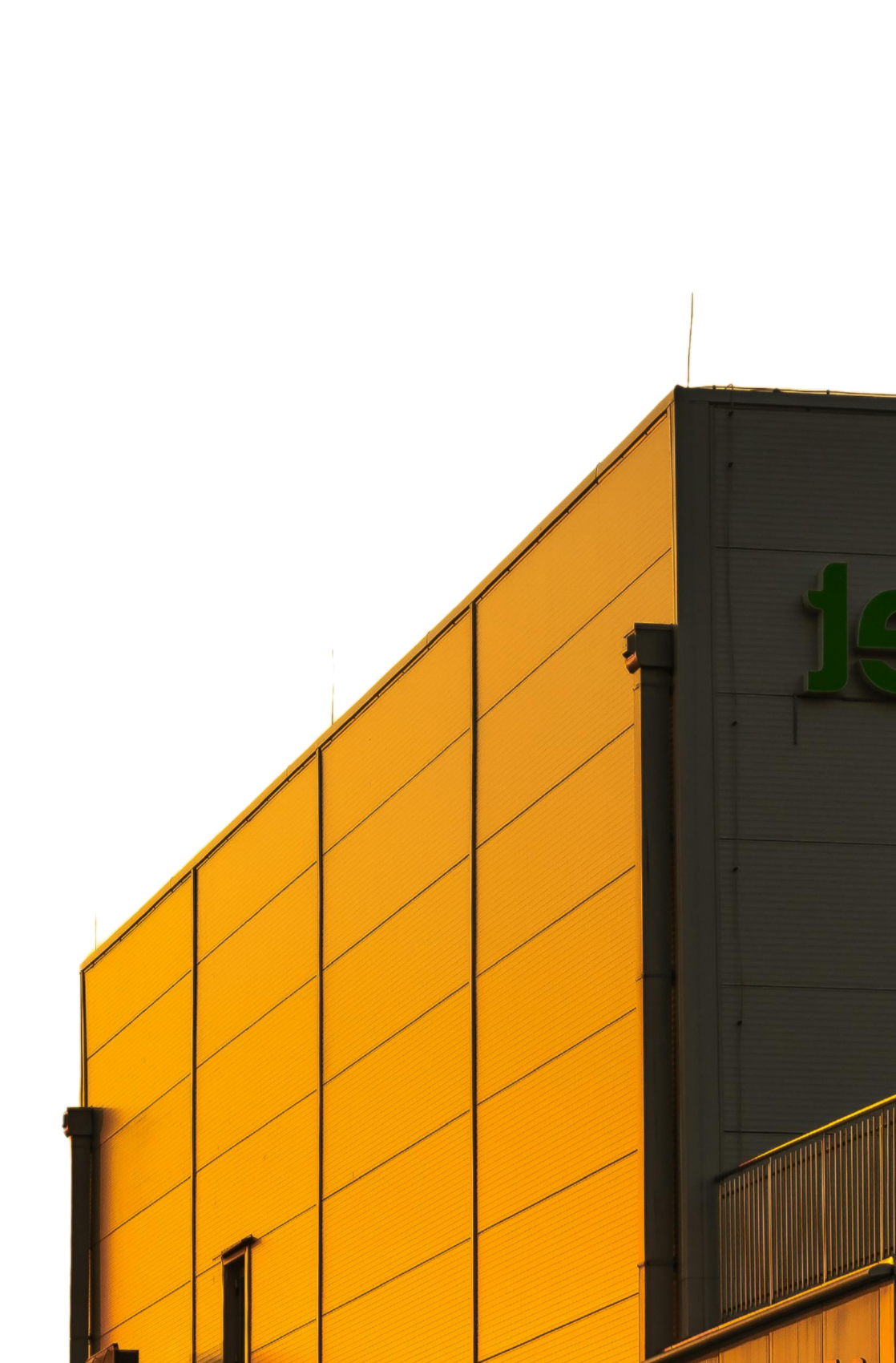
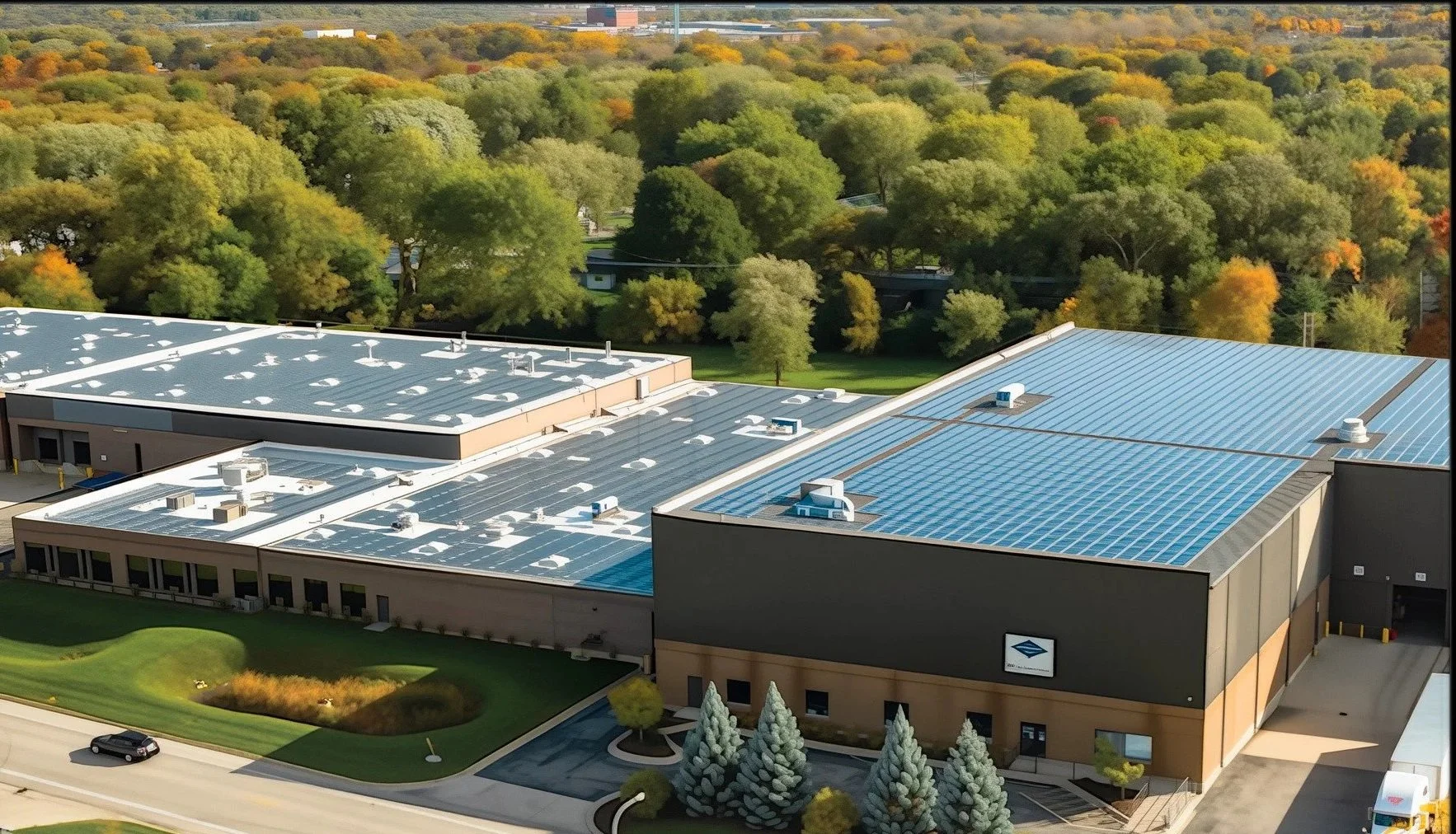
INDUSTRIAL
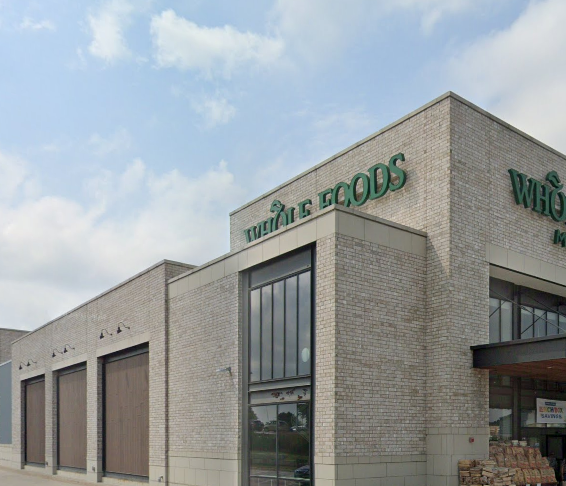
NECESSITY RETAIL
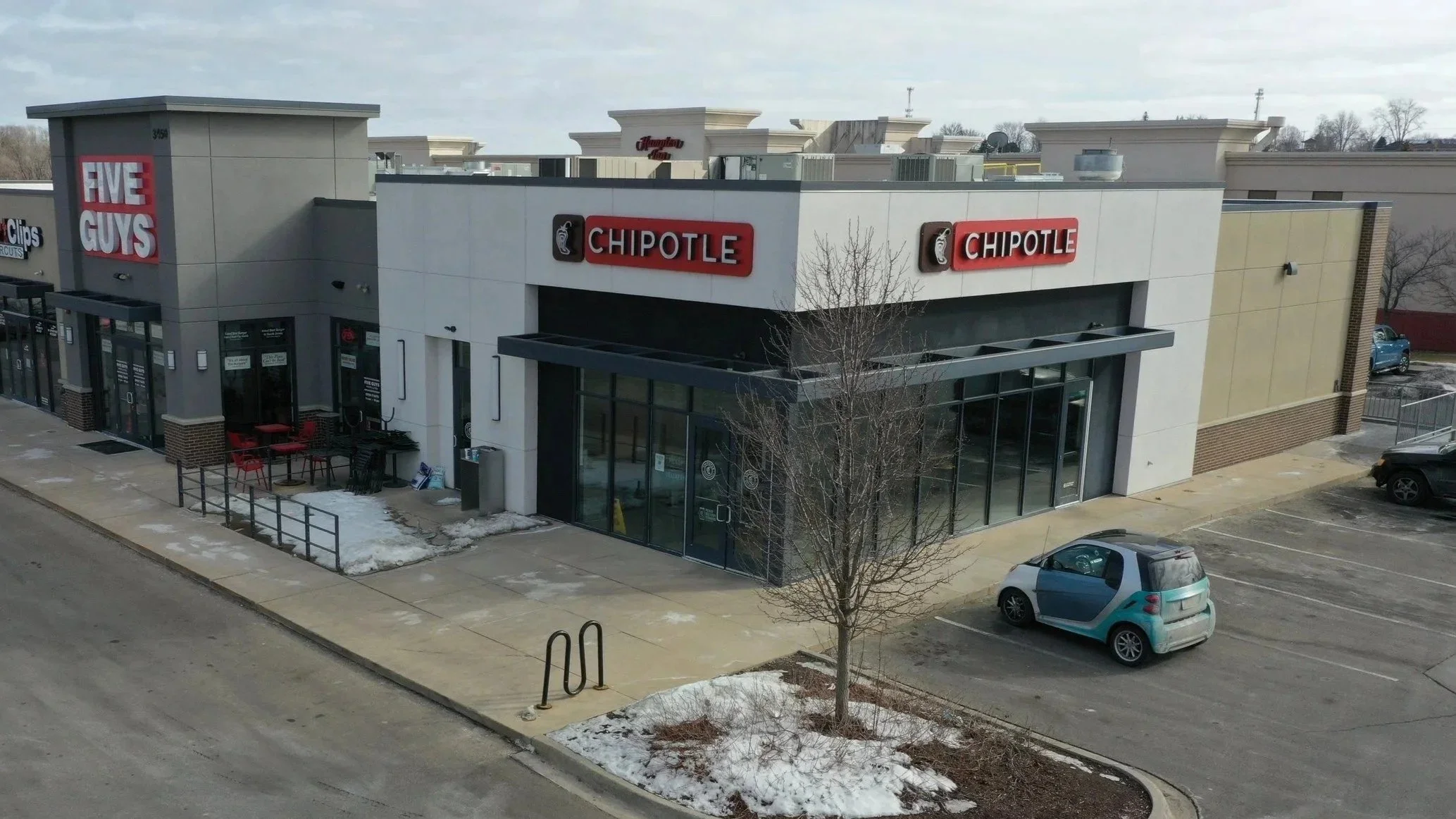
QUICK SERVE RESTAURANTS
SERVICE ORIENTED

MEDICAL
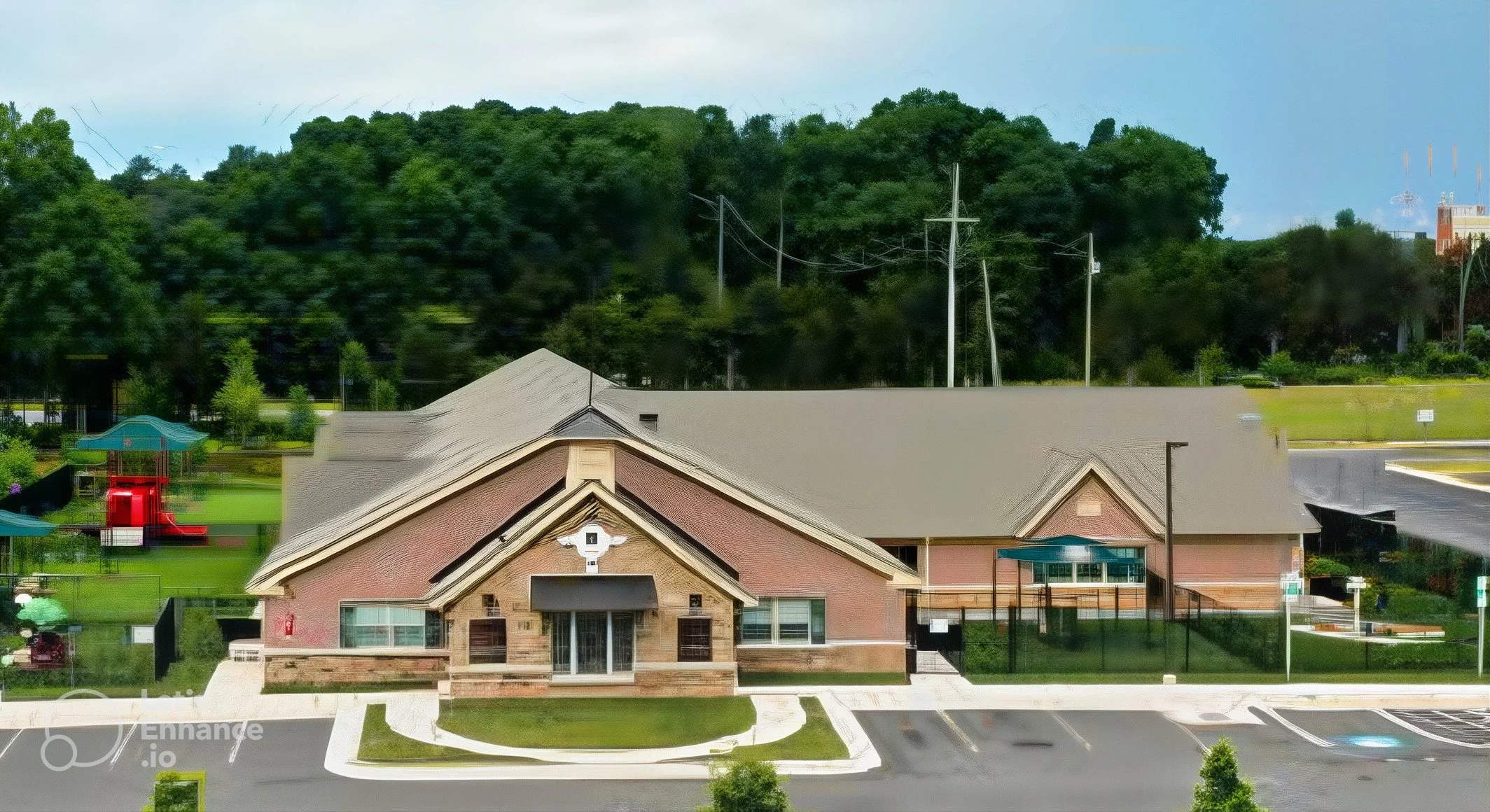
EDUCATION
Target Total Return
15%
Cash Yield (Annualized)
7%
First Private Real Estate Fund Designed for RIAs and Individuals
Secure Online Portal

Integrations with major custodians

Strong net returns, often exceeding equities
Income generation that beats bonds
Not correlated with stock market sentiment
Lower volatility
We improve portfolios
Why Real Estate?
The Numbers Speak for Themselves
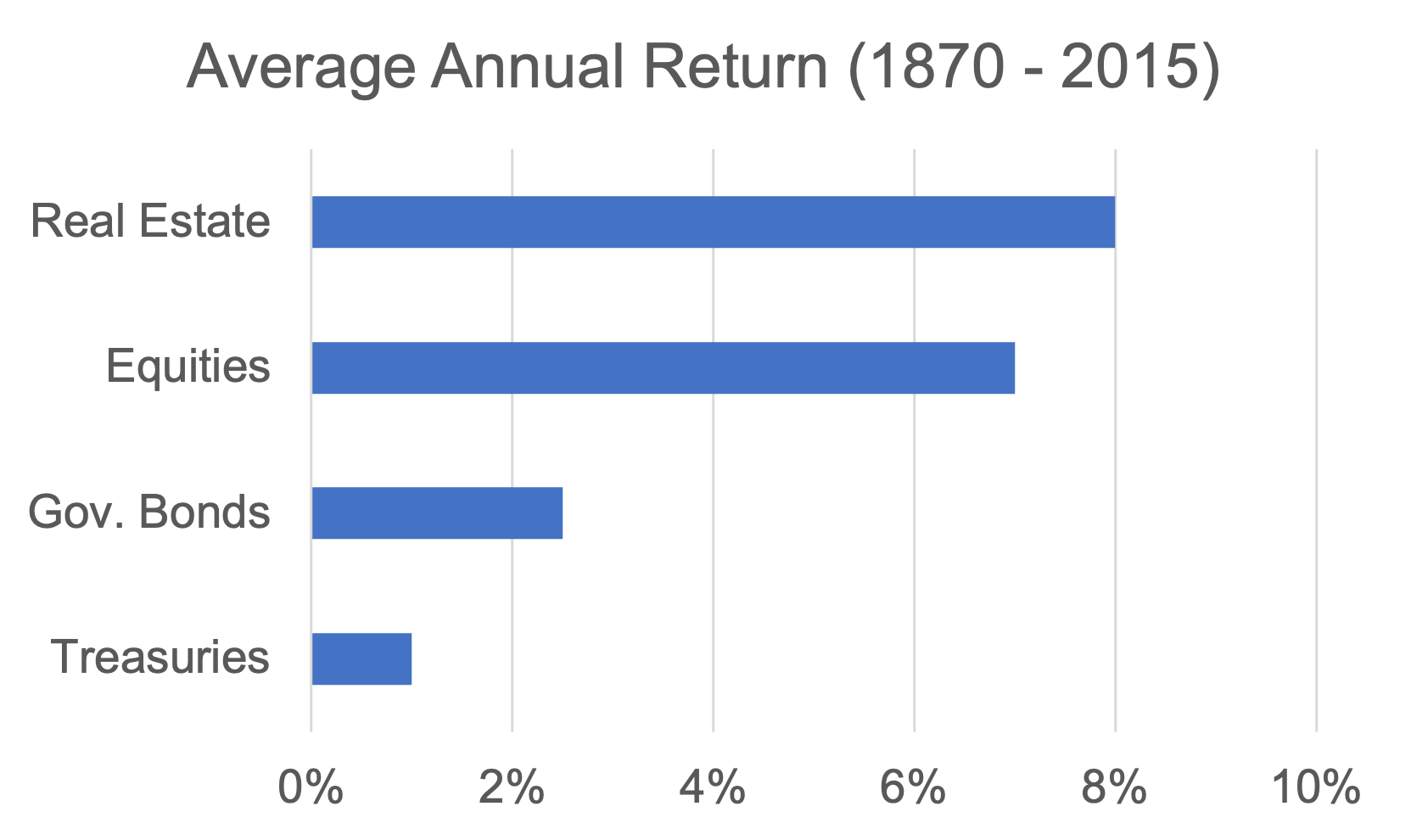
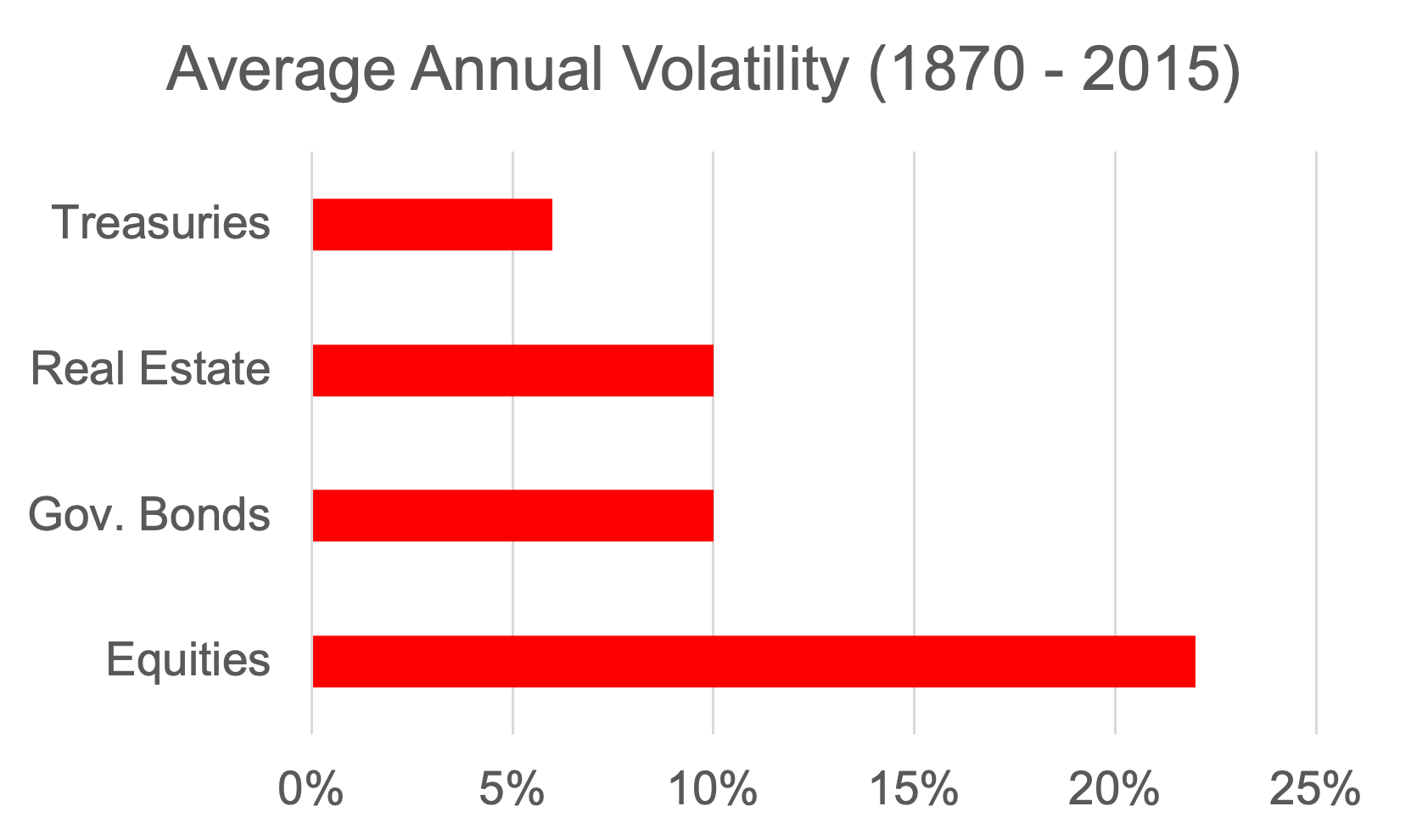
SOURCE: Jorda, O. et al. "Rate of Return on Everything, 1870-2015." Quarterly Journal of Economics. Vol. 134. Issue 3. Aug 2019
Key Takeaways
Highest average annual return over the past 150 years
Stocks are twice as volatile as real estate
Allocation to real estate will improve long-term returns, generate income and reduce portfolio volatility
Prairie Hill net lease is the best version of real estate
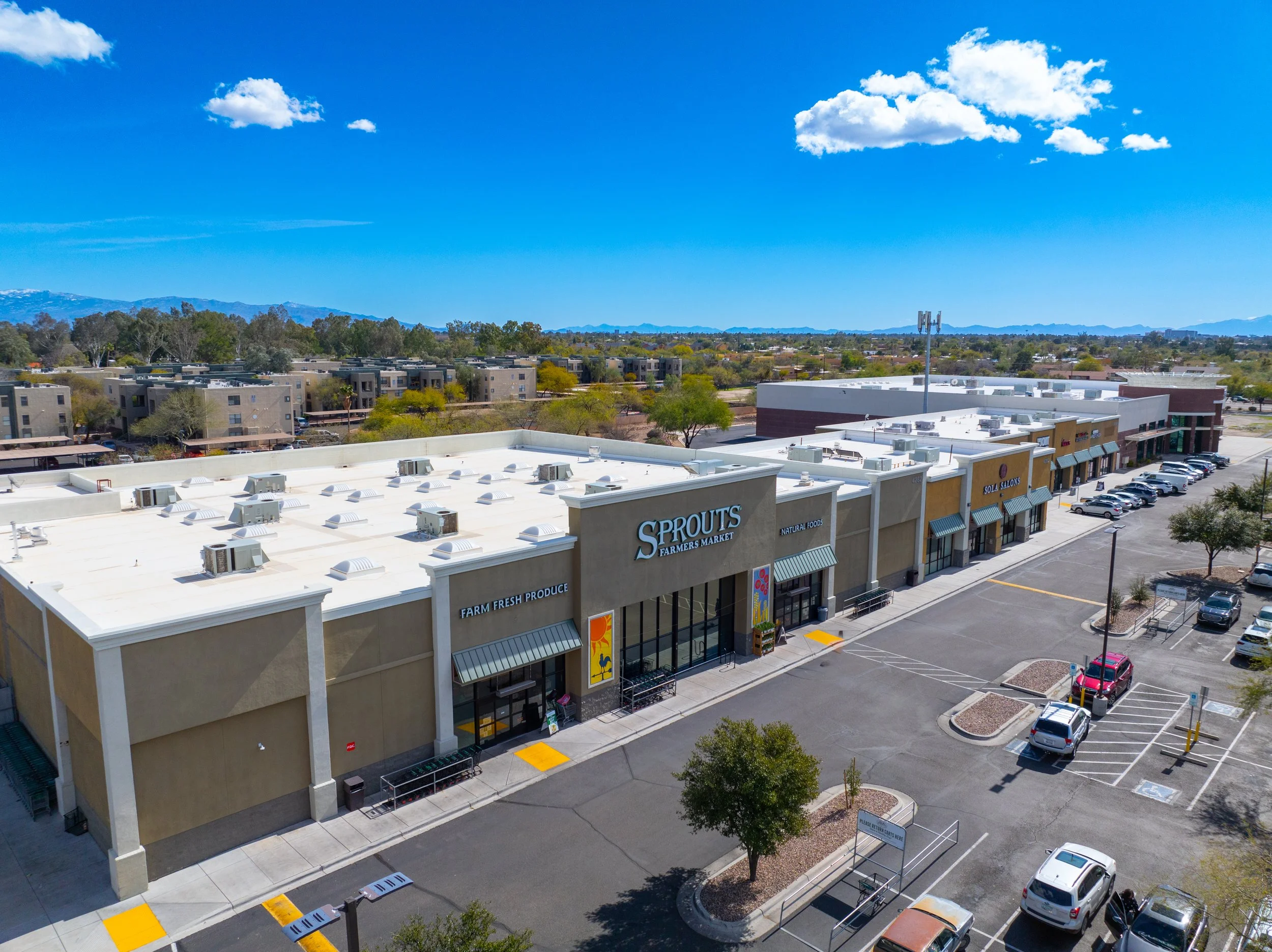
Why Net Lease Real Estate?
Tenants pay the property taxes, maintenance and insurance
Credit quality - Investment Grade (IG) or IG-Quality
Net lease properties generate a reliable income stream with minimal volatility
Long Term Leases
The Prairie Hill Criteria:
Predictable income generation that is tax-protected
Engineering strong returns in relation to risk assumed by sourcing properties in situations where market & structural inefficiencies are high
Defensive tenancy in necessity-based industries
Cycle-tested tenants that can withstand recession and maintain durable cashflow
Cutting Out the Middlemen
Most private real estate funds rely on multiple layers — sponsors, property managers, and external operators — each adding costs that eat into returns. Prairie Hill integrates everything in-house.
No stacked fees
Full alignment across investment & operational functions
More income flowing to investors
Our market advantage
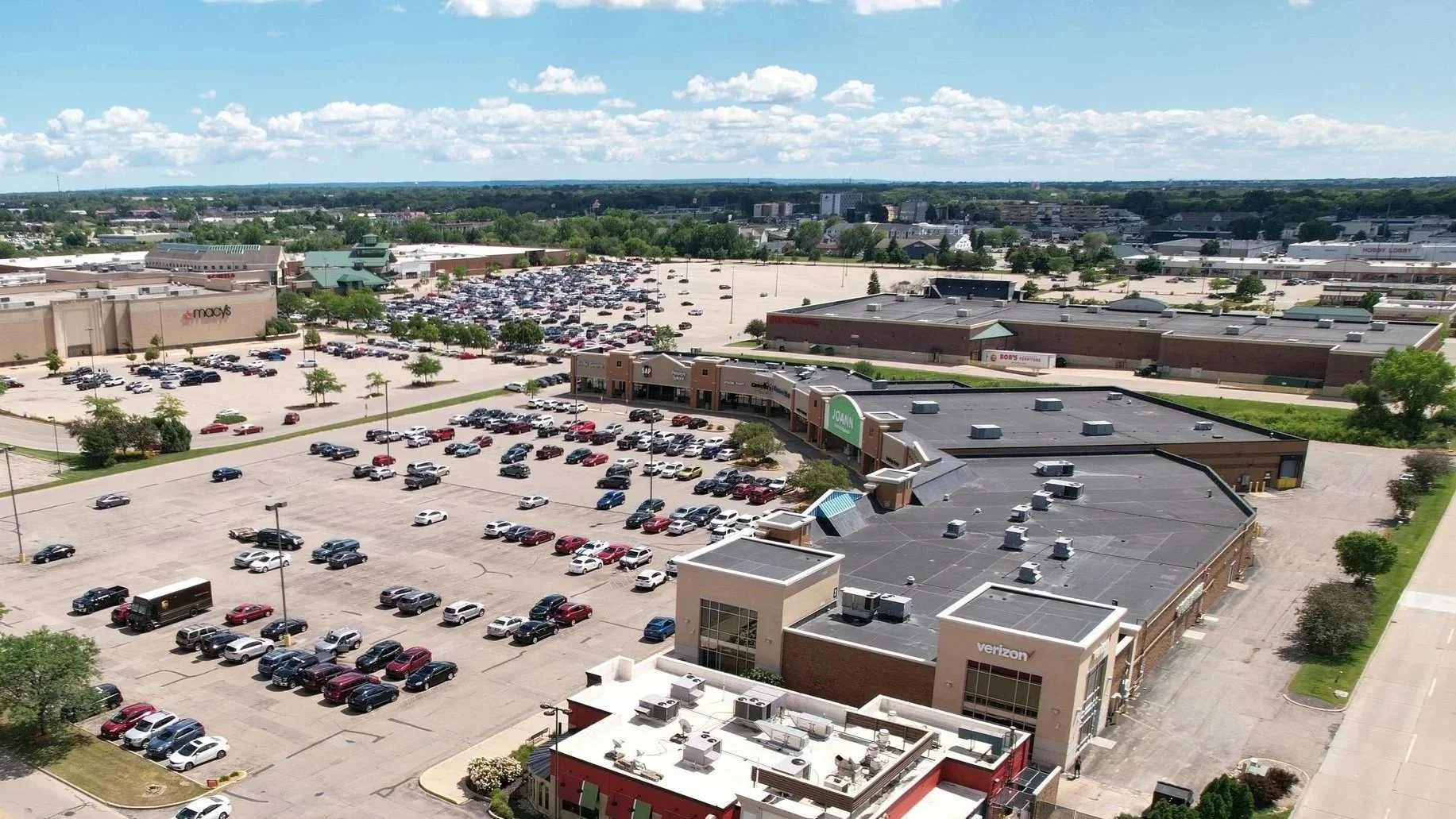
We operate in a unique corner of the market: properties valued between $5–25 million. Too large for most individual investors, too small for mega-funds, these assets don’t receive a level of interest commensurate with their high level of quality. Prairie Hill capitalizes on this inefficiency — acquiring properties that are undervalued on their own, but far more valuable when rolled into a portfolio.
The result is outsized returns on lower-than-assumed risk.